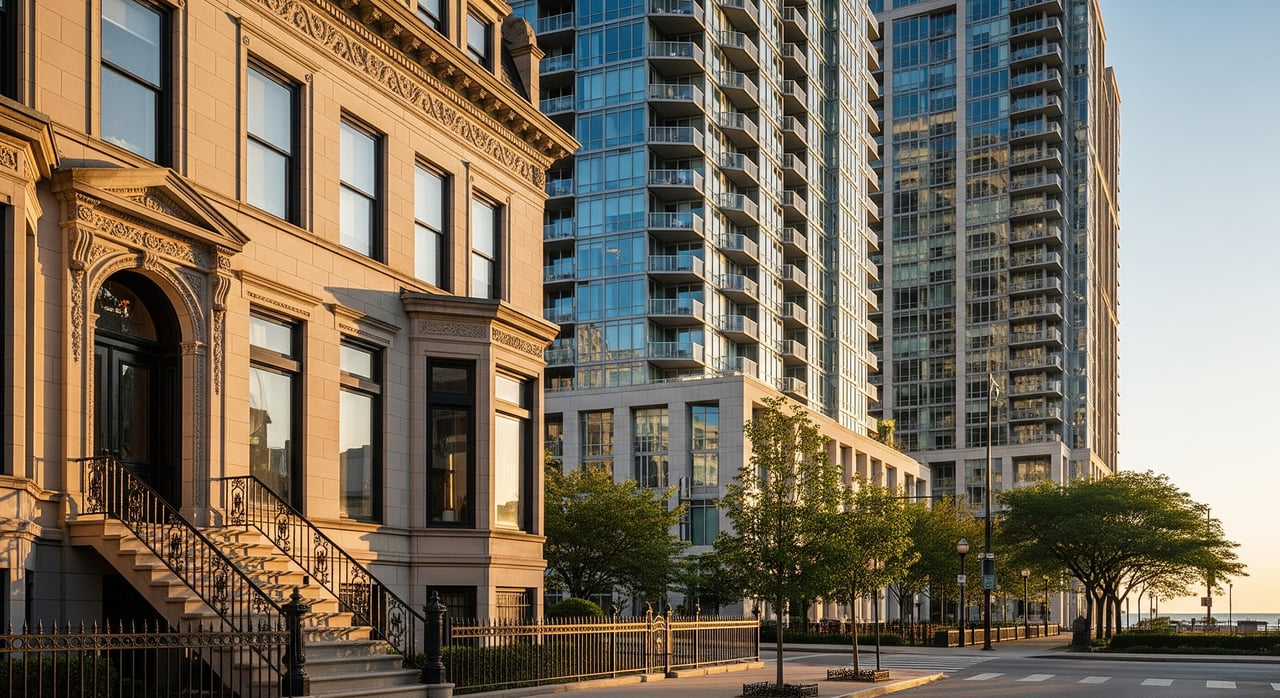
Eyeing a classic Lake Shore Drive building and wondering if a co-op or condo fits you better? You are not alone. In the Gold Coast, the differences touch everything from how you hold title to how you finance, what you pay each month, and how easy it is to resell. This guide breaks down the essentials so you can choose with confidence and structure a smooth transaction. Let’s dive in.
What you actually own
Condominium basics. You receive a deed to a defined unit plus an undivided share of the common elements. In Illinois, condos are governed by the Illinois Condominium Property Act and the condominium’s declaration and bylaws. Your ownership is real property and transfers by deed.
Co-op basics. You buy shares in the corporation that owns the building and receive a proprietary lease or occupancy agreement for your apartment. Your interest functions as personal property, and the co-op is governed by the corporation’s bylaws and the proprietary lease. Transfers happen by assigning shares and the lease, often after board approval.
Why it matters. Title, financing, taxes, and resale are all shaped by this core distinction. In Cook County records you will see a condo unit as a deeded property, while a co-op reflects stock and a leasehold interest.
Governance and approval power
Condo approval at a glance
Condo boards enforce the declaration and bylaws, set budgets, and manage building rules. For sales, approval is mostly administrative. Expect an application, a resale certificate or estoppel, and a short processing window measured in days to a few weeks. Condo boards generally cannot block a sale except in narrow circumstances set by law or the governing documents.
Co-op approval at a glance
Co-op boards have broader discretion. You will submit a full board package that often includes tax returns, bank statements, proof of funds or share-loan approval, references, and your contract. Many Gold Coast and Lake Shore Drive co-ops conduct interviews and vote on applicants. This can add weeks. Boards may deny a buyer without being required to accept a substitute.
Rules that affect lifestyle and resale
- Subletting: Co-ops frequently restrict or prohibit sublets. Condos often allow leasing with rules that may limit short-term rentals.
- Owner-occupancy and investors: Many co-ops favor higher owner-occupancy and limit investors. Condos may have investor caps or registration requirements that vary by building.
- Special assessments: Both structures can levy them. Review minutes and budgets for signs of upcoming projects.
Documents to review during due diligence
For condos, request: declaration, bylaws, house rules, minutes for the past 12 to 24 months, current budget and reserve study, assessment status, resale certificate or estoppel, litigation disclosures, and insurance.
For co-ops, request: corporate bylaws and proprietary lease, shareholder and board meeting minutes, building financials, reserve policy, occupancy figures, house rules, vacancy and sublet policies, assignment rules, insurance, and any building loan documents.
Financing: mortgage vs share loan
How loans are structured. Condo buyers use a standard real property mortgage recorded against the unit. Co-op buyers use a share loan secured by the stock and proprietary lease. Lenders will review both your profile and the building’s financial health.
Down payment trends. Many lenders allow condos with 5 to 20 percent down, depending on the project and borrower. Co-ops typically require higher down payments, often 20 to 30 percent or more, influenced by building financials and board policies.
Program eligibility. Condos may qualify for conventional financing after project review by Fannie Mae or Freddie Mac. FHA and VA options depend on building approval. Co-op FHA and VA financing is less common and requires specific approvals, so many co-ops are not eligible for those programs.
Vintage building focus. Lenders and boards pay close attention to reserves, capital plans, owner-occupancy ratios, and any history of special assessments. For pre-war Gold Coast properties, expect questions about façade work, mechanical systems, windows, and long-term funding for improvements.
Board and lender conditions. Some co-ops set rules on share loan terms, such as minimum post-closing liquidity or restrictions on cross-collateralization. Condo lenders often require an estoppel or project questionnaire that covers reserves, litigation, and assessment details.
Your financing checklist
- Confirm whether the building is eligible for conventional, FHA, or VA options.
- Ask the association or co-op for recent financials, reserve studies, and minutes to share with your lender.
- Get pre-approved with a lender experienced in Chicago co-ops and luxury condos.
- If buying a co-op, start the board package early and align your loan timeline with the interview and approval schedule.
Taxes, fees, and monthly costs
Property taxes. Condo owners receive individual tax bills from Cook County. In co-ops, the corporation pays the building’s taxes, then passes your share through your monthly maintenance. Your tax share appears inside that fee rather than as a separate bill. Local exemptions can apply differently to deeded property versus co-op shares, so plan to confirm your situation with the county and a tax advisor.
Monthly assessments and what they include. Condo dues usually cover common-area maintenance, building insurance for common elements, management, and sometimes utilities. You pay your unit’s property taxes and insurance separately. Co-op maintenance often includes building staff, utilities, property taxes, building insurance, reserves, and any building mortgage payments. Because more costs roll into a single fee, co-op maintenance can look higher even when your separate line items are lower.
Special assessments and reserves. Both co-ops and condos may levy special assessments if reserves are not sufficient. In vintage Gold Coast buildings, large capital items like façade, mechanical, or window projects can drive assessments. Review reserve studies, minutes, and recent assessment history.
Transfer taxes and closing costs. Chicago and Cook County charge real estate transfer taxes and recording fees. Treatment for co-op share transfers may differ from deeded condo transfers depending on how the transaction is documented. Your attorney can confirm current obligations and who pays what under your contract.
Resale and marketability in the Gold Coast
Buyer pool and liquidity. Condos tend to draw a wider buyer pool, including financed buyers, out-of-town purchasers, and investors, which can improve liquidity. Co-ops narrow the pool due to board approval and financing limits, especially for buyers who are self-employed, investing, or international.
Pricing dynamics. In boutique pre-war co-ops with strong governance, prime locations, and desirable views, pricing can be robust when inventory is tight. In other cases, co-ops may trade at a discount to comparable deeded condos because of perceived friction or financing complexity. Newer or fully renovated condos with amenity packages often command price premiums tied to convenience and lifestyle.
What most affects value.
- Board policies on sublets and investors
- Building finances and reserve strength
- Recent or upcoming assessments and capital projects
- Location and view corridors along Lake Shore Drive
- Unit layout and renovation quality, especially in vintage plans
Guidance for buyers and sellers
Sellers of co-ops should anticipate a longer approval window and position pricing to reflect a narrower buyer pool. Prepare a complete board package up front. Buyers should build extra time into financing and closing contingencies, confirm loan programs early, and understand building policies that could affect future resale.
Which option fits your goals
Choose a condo if you want deeded ownership, broader financing choices, a potentially faster resale, and flexibility for future leasing within building rules. A condo’s administrative sale process is often smoother.
Choose a co-op if you value a closely held building culture, strict screening that may support long-term stability, and monthly fees that consolidate many expenses into one payment. Be ready for a thorough approval process and higher down payment expectations.
Timeline tips for a smooth close
If you are buying a condo
- Get pre-approved and confirm the building meets your loan program’s project standards.
- Order the resale certificate or estoppel early and review reserves, litigation, and assessments.
- Align appraisal, lender questionnaire, and association document delivery to keep the schedule tight.
If you are buying a co-op
- Select a lender that offers share loans and understands Chicago co-ops.
- Start your board package right away, including financials, references, and required disclosures.
- Build in extra time for the interview and board vote, and coordinate closing with your lender’s collateral review.
What to review before making an offer
- Governing documents: condo declaration and bylaws, or co-op bylaws and proprietary lease
- House rules and any investor or sublet policies
- Minutes from the last 12 to 24 months
- Current budget, audited financials, and reserve study
- Assessment history and any planned capital projects
- Insurance certificates and litigation disclosures
- For condos: resale certificate or estoppel, owner arrears
- For co-ops: shareholder ledger or occupancy info, transfer and interview requirements
Work with a team that knows these buildings
Buying or selling in the Gold Coast is about more than square footage. It is about board norms, long-term capital plans, and how the building’s rules fit your lifestyle and timeline. If you want clear guidance on co-op versus condo trade-offs, building-by-building insight, and a plan that aligns approval, financing, and closing, we are here to help. Connect with K + D Homes to map your path and move with confidence.
FAQs
What is the main legal difference between a Gold Coast co-op and a condo?
- A condo gives you a deed to a unit plus common elements, while a co-op gives you shares in a corporation and a proprietary lease for your apartment.
How strict are board approvals in Gold Coast co-ops?
- Many Gold Coast co-ops use detailed board packages, interviews, and liquidity standards, and they can approve or deny applicants at their discretion.
Can you use FHA or VA loans for co-ops or condos in Chicago?
- Some condos may be eligible if the project is approved, but FHA and VA options for co-ops are less common and require specific program approvals.
Why do co-op monthly fees often look higher than condo dues?
- Co-op maintenance usually bundles building taxes, some utilities, reserves, insurance, and staffing, so more costs appear in one payment compared with condo dues.
Do condos generally sell faster than co-ops in the Gold Coast?
- Condos often have a broader buyer pool and easier financing, which can improve liquidity; co-ops can take longer due to approval and financing limits.