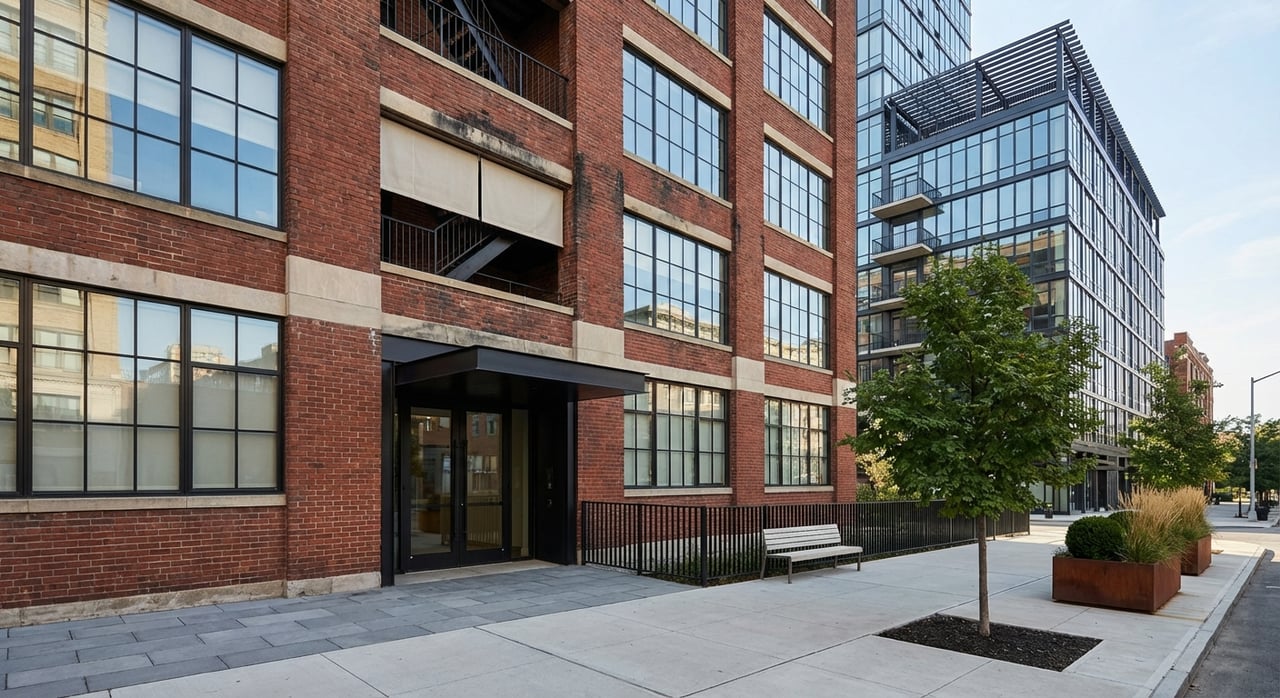
Trying to choose between a glassy River North high-rise and a character-filled loft? It is a real lifestyle decision. You want the right mix of light, views, amenities, and street energy, and you do not want surprises after move-in. In this guide, you will compare both options through a local lens and get a simple checklist to tour like a pro. Let’s dive in.
River North at a glance
River North sits just north of the Loop with a dense mix of dining, galleries, and design showrooms, plus a major riverfront tower corridor. The neighborhood has distinct pockets, from the gallery streets around Huron and Superior to the nightlife along Hubbard and Rush to the Kingsbury Park and riverfront towers near the Riverwalk. The River North Association’s overview captures that blend of art, restaurants, and urban energy.
Walkability and transit access are big draws. You are close to Michigan Avenue, the Riverwalk, and multiple CTA lines and bus routes, which shapes daily routines and commute choices, as noted in this local neighborhood guide.
What “high-rise” and “loft” mean here
In everyday Chicago usage, a high-rise is a purpose-built residential tower, generally mid to tall in height, with modern vertical systems and defined floor plans. Think riverfront towers and skyline views. A loft usually means an adaptive reuse of an older warehouse or industrial building. You will see exposed brick or concrete, tall ceilings, and open plans often found in River North’s gallery and design district blocks. This “hard loft” character and flexible layout are explained in this overview of warehouse-style loft features.
A key physical difference is ceiling height. Many authentic loft conversions market tall clear heights that create volume and airiness, while modern towers typically deliver a more standard interior height. An adaptive-reuse example in River North, The Ronsley, highlights lofty ceilings and curated finishes. By contrast, newer towers often emphasize floor-to-ceiling glass and defined room layouts, as seen in listings for Renelle on the River.
Light and views
Lofts often feel bright and dramatic because tall ceilings and large factory-style windows spread light across open spaces. The effect can be striking even at lower floors. Always check orientation during a tour and note any nearby buildings that might block sun, a step echoed in this review of loft-style layouts and lighting.
High-rises typically deliver long sightlines. On higher floors you may capture river, skyline, or lake views, often through full-height glazing. Ask for example photos from the exact floor and stand at the windows at different times of day to gauge brightness and glare. Newer riverfront towers like Renelle on the River showcase this panoramic focus.
Amenities and services
High-rise towers commonly offer staffed lobbies, a concierge or 24-hour door staff, on-site management, fitness centers, roof decks, lounges, and structured parking. These services change day-to-day convenience for package handling and maintenance, and they show up in monthly assessments. You will see amenities like gyms, terraces, and indoor-outdoor lounges highlighted in tower marketing such as Renelle on the River.
Loft buildings vary. Some conversions are boutique with limited services, while others add thoughtful amenities. In River North, higher-end adaptive-reuse projects can blend character with modern perks, as seen in The Ronsley’s curated approach. Always verify the exact amenity list, hours, and what is covered in dues before you fall in love with a building’s vibe.
Noise, privacy, and nightlife
River North has lively corridors, especially around Hubbard, Rush, and parts of Clark and Franklin. That energy can translate to evening or weekend street noise depending on the block, a pattern the River North Association notes. In towers, elevation usually softens street noise, while street-facing lofts are closer to activity.
There is no universal winner for quiet. Tall towers can have elevator and corridor sounds, and construction types handle noise differently. Acoustic research shows heavy timber and concrete assemblies behave differently for airborne and impact sound, so it is best to evaluate building by building. For due diligence, review building soundproofing and scan public complaint history. Technical summaries from the Acoustics Australia conference proceedings support that “it depends” approach.
For any address, you can also check the City’s portal for past environmental complaints. Chicago’s CHI311 guidance explains how to research noise and other issues logged by residents.
Parking, deliveries, and vertical movement
Parking options differ by building. Many high-rises include attached garages, valet, or assigned stalls. Conversions may have more limited parking carved from courtyards or small lots. Confirm your exact stall, guest policies, and loading rules. Building listings for towers like Renelle on the River show how common in-building parking is along the riverfront.
Elevators also shape daily life. Tall towers rely on elevator zoning and smart dispatching to manage peak-hour waits. Handling capacity is a design variable, and acceptable wait times vary by tower. If you are eyeing a high floor, ask about peak performance and service elevator rules. Designers reference standards like the CIBSE Guide D when planning systems.
Layout, storage, and furniture fit
Lofts showcase flexible, open footprints. That freedom is great for entertaining or creative setups, but you may need to plan partitions for bedrooms and storage, and account for exposed columns that influence furniture placement. See this overview of loft planning tradeoffs.
High-rise condos typically deliver defined rooms, standard closets, and built-in storage. This suits buyers who want clear bedroom separation, hallways, and a more conventional flow. In some towers you will also get storage cages in lower levels and dedicated utility closets, features often noted in listings for buildings like Renelle on the River.
Costs and monthly fees
Services and staffing show up in your monthly assessment. High-rise buildings with full amenity suites commonly carry higher dues that fund staff, reserves, insurance, and operations. Smaller loft associations may be lower, though some luxury conversions carry elevated dues to support added services. Always ask for the budget, reserve study, and a clear breakdown of what dues include, a practice reinforced in this guide to condo fee components.
Micro-vibes by pocket
Gallery and design district
Around Huron and Superior and the showrooms north of the Mart, you will find daytime traffic and calmer evenings outside of events. Lofts here lean into authentic materials and creative energy, a profile echoed by the River North Association’s neighborhood context.
Hubbard and Rush corridors
Expect busy evenings and late-night foot and vehicle activity near these dining and nightlife clusters. If you are considering a unit on or near these blocks, plan to tour at night and gauge sound and traffic for yourself, as the Association’s overview suggests.
Riverfront and Kingsbury Park
Along Erie and the river, towers highlight views, access to parks and the Riverwalk, and a broader amenity mix. These areas are often marketed for convenience and skyline outlooks, as noted in this River North neighborhood guide.
Who each option tends to suit
- High-rises: You value skyline or river views, a staffed building, and a turnkey lifestyle with defined rooms and reliable building systems. This profile appears across new tower marketing, including Renelle on the River.
- Lofts: You prioritize character, tall ceilings, and open plans you can tailor. You are comfortable with fewer shared services if it means more volume and authenticity, a fit described in this loft-style overview.
- Overlap: Many buyers who want culture and walkability do well in either form. The unit’s floor, orientation, finishes, and HOA health matter more than the label, a theme echoed in neighborhood-level writeups.
How to choose your fit
Start with your daily routine. Do you want a quick gym session without leaving the building, or do you prefer a larger, flexible living space for entertaining or creative work? Are river views a must-have, or would you trade views for volume and architectural texture? List three nonnegotiables, then map listings against that list.
Next, match the address to the street vibe. If you are sensitive to nighttime activity, lean away from the busier corridors or focus on higher floors and stronger glazing. If you want quieter evenings, the gallery and design pockets may fit well.
Finally, verify the numbers. Compare assessments, what they include, reserves, and any special assessments on the horizon. The right long-term fit balances lifestyle, logistics, and cost.
Your River North tour checklist
Use this on every appointment:
- Visit three times: weekday mid-day, weekday evening, and a weekend evening. Note light, street noise, and foot traffic. Use the City’s portal to review past issues with the address via CHI311.
- Ask to review building documents: bylaws, master insurance summary, the most recent reserve study, the current HOA budget, minutes from the last 12 months, special assessment history, rental cap, pet policy, and amenity hours/pricing. See examples of what fees often include in this condo fee guide.
- Measure and confirm: ceiling height, window dimensions, closet and storage square footage, parking stall number and location, and washer/dryer rules. Adaptive-reuse examples like The Ronsley show how specs vary by project.
- Verify services and logistics: package handling and delivery policies, service elevator hours and move-in rules, contractor access requirements, and bike storage. In taller towers, ask about elevator zoning and peak wait times, which are guided by standards like the CIBSE Guide D.
Ready to compare buildings?
If you want a local, expert read on specific River North towers and loft conversions, reach out. We can help you match daily-life priorities to the right building stack and street pocket, and line up efficient tours. Start your River North search with K + D Homes.
FAQs
What is the main difference between a high-rise and a loft in River North?
- High-rises are purpose-built towers with defined floor plans and full services, while lofts are adaptive reuse spaces with tall ceilings, open layouts, and authentic materials.
How do amenities and monthly fees compare between towers and lofts?
- Towers usually include door staff, gyms, lounges, and structured parking, which increase monthly assessments; loft dues vary and may be lower unless the conversion added high-touch services.
Will a higher floor guarantee quiet in River North?
- Higher floors often reduce street noise, but tower acoustics also depend on construction and maintenance; verify with evening tours and review any public complaints via CHI311.
Do lofts always have better light than high-rises?
- Not always. Lofts often feel airy due to tall ceilings and large windows, while high-rises can deliver brighter panoramic exposure on higher floors; check the unit’s orientation and neighboring buildings.
What should I check before making an offer on a River North condo?
- Review the HOA budget, reserves, minutes, and special assessments, confirm what dues include, tour at multiple times of day, measure key dimensions, and verify parking and elevator rules.