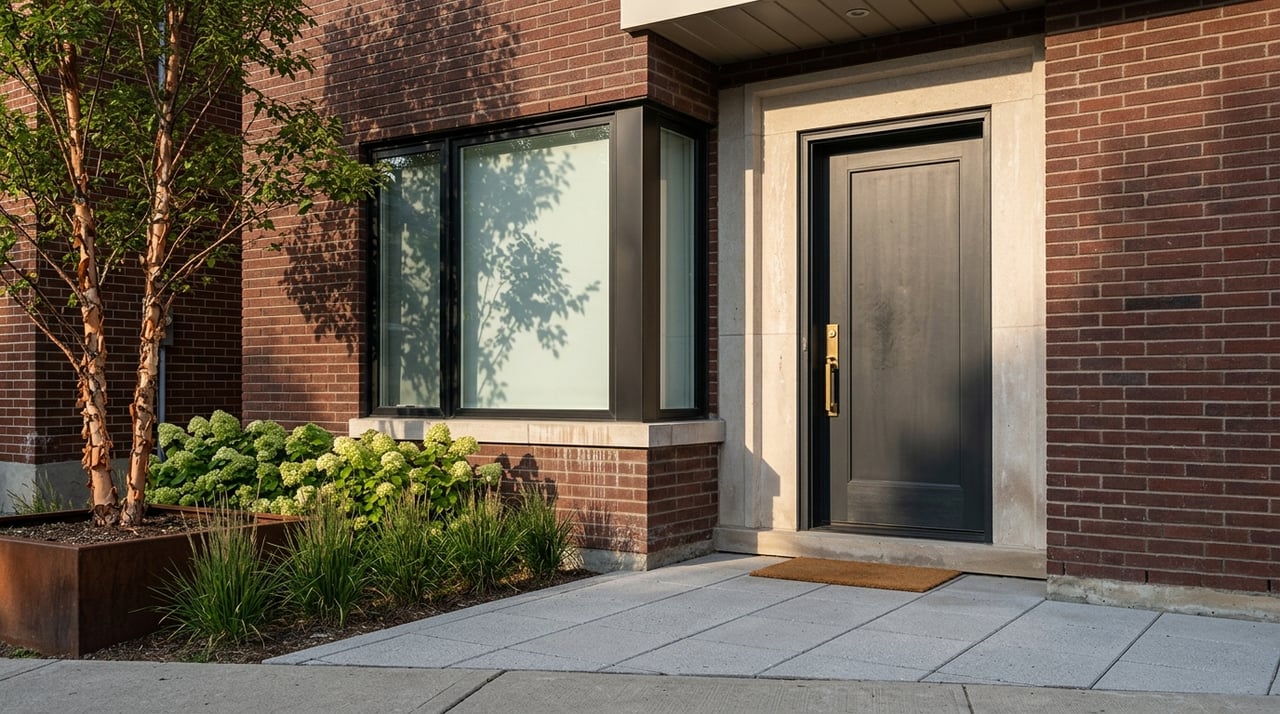
Thinking about listing your Lincoln Park home? In a neighborhood where many homes attract strong interest and presentation can shape both speed and price, your pre-listing plan matters more than ever. The good news is that you do not need a full renovation to make a strong impression. You need a smart, property-specific strategy that highlights what buyers will notice first and supports a confident launch. Let’s dive in.
Why prep matters in Lincoln Park
Lincoln Park remains a competitive seller's market. According to Redfin's Lincoln Park housing market data, the median sale price was $700,000 in March 2026, homes averaged about 47 days on market, and 41.2% sold above list price.
That kind of market does not mean you can skip preparation. It means buyers are paying attention. In a competitive environment where many homes receive multiple offers, the homes that feel polished, cared for, and easy to understand often stand out faster.
Lincoln Park also has a wide mix of housing types. CMAP's Lincoln Park snapshot shows the neighborhood includes high-rise condos, smaller multi-unit buildings, attached homes, and detached single-family homes, with a significant share of older housing stock.
That matters because a pre-listing game plan for a vintage condo should look different from one for a historic row home or a newer single-family property. The goal is not to force every home into the same formula. The goal is to make your specific home show at its best.
Start with what buyers see first
Before you think about major projects, focus on the details buyers notice right away. NAR's 2025 Remodeling Impact Report shows REALTORS most often recommend painting, roofing work, and visible exterior updates before a sale.
For many Lincoln Park sellers, that points to practical, lower-disruption improvements instead of a long renovation. Exterior paint, a refreshed front entry, and visible maintenance issues can shape a buyer's first impression before they even walk inside.
If your home has a private entrance, front stoop, small patio, or detached garage, make those spaces feel clean and intentional. NAR's report also highlights garage door replacement, siding, front door updates, and exterior painting as high-impact projects, with a new steel door showing the highest cost recovery in the study.
Focus on selective updates
One of the biggest mistakes sellers make is doing too much. The research points in a different direction. NAR reports that buyers are less willing to compromise on condition than in the past, but the strongest seller recommendations still cluster around targeted repairs and cosmetic improvements rather than broad remodels.
That means your best move is often to fix what looks tired, worn, or unfinished and stop there. In Lincoln Park, buyers may appreciate original character and thoughtful architecture, but they also notice deferred maintenance, dated finishes, and awkward presentation.
A smart pre-listing scope often includes:
- Fresh paint in key rooms
- Minor wall and trim repair
- Updated light touch-ups or bulb consistency
- Flooring repair or replacement if visibly worn
- Hardware and door adjustments
- Deep cleaning of kitchens, baths, windows, and grout
- Exterior maintenance that improves first impressions
These kinds of updates can help your home feel move-in ready without over-improving for the market.
Use staging to clarify the space
Staging is not about adding more stuff. It is about helping buyers understand how your home lives. NAR's 2025 Profile of Home Staging found that 83% of buyers' agents said staging made it easier for buyers to visualize a property as their future home.
That is especially important in Lincoln Park, where the housing stock includes compact condos, older floor plans, and multi-level homes with distinct room uses. Buyers need to quickly understand scale, flow, and function.
NAR found the most commonly staged rooms were:
- Living room
- Primary bedroom
- Dining room
If your budget or timeline is limited, start there. Those are the rooms most likely to shape the emotional and visual experience of a showing.
Make small rooms feel bigger
Lincoln Park has many smaller homes and condos. CMAP data shows a large share of units have one or two bedrooms, which makes efficient presentation especially important.
According to NAR's staging guidance, the basics still work: let in natural light, use neutral wall colors, streamline décor, open up the space, and replace worn carpeting with wood, vinyl, or tile where appropriate.
For sellers, that often means editing rather than decorating. Remove bulky furniture, clear visual clutter, and avoid using a room in a way that makes its purpose harder to read. If a den works best as an office or a breakfast nook works best as a compact dining area, present it clearly.
Storage also matters. Adding shelving or organizing closets can help buyers understand how the home functions day to day. In a city neighborhood where space is often at a premium, that can make a real difference.
Respect your home's character
Lincoln Park is known for its varied architecture. The neighborhood includes historic row houses, courtyard buildings, high-rise condos, attached homes, and newer construction, as reflected in CMAP's housing snapshot and broader descriptions of the area's built environment in the research.
That is why the best prep plans preserve what makes your home distinct. If you have original millwork, vintage detailing, tall windows, masonry character, or a well-designed modern interior, your updates should support those strengths rather than erase them.
In practice, that could mean painting in a neutral tone that still complements older trim, refinishing rather than replacing when possible, or using simple staging that helps architectural details stand out. Buyers in this market tend to notice presentation details, so a clean and cohesive look matters.
Consider a pre-listing inspection strategically
A pre-listing inspection is not required, but it can be useful. Under Illinois law on residential real property disclosure, sellers must disclose material defects they actually know about, and they are not required to conduct a specific investigation to complete the disclosure statement.
For many Lincoln Park sellers, especially those with older homes, that makes a pre-listing inspection a strategic choice rather than a legal box to check. It can help you identify issues early, decide what to repair, and avoid surprises once a buyer is under contract.
This can be especially helpful if your property has aging systems, a roof with visible wear, older windows, or signs of deferred maintenance. Knowing what you are dealing with upfront gives you more control over timing, pricing, and negotiation strategy.
Plan for vacant listings carefully
If you are moving out before your home hits the market, be thoughtful about how an empty home will show. NAR's staging guidance notes that vacant homes can make rooms feel smaller and make it harder for buyers to visualize how the space works.
That is often true in condos and narrower city homes, where scale and layout can be harder to read without furniture. In those cases, a few furnishings or virtual staging may help buyers connect the dots.
The key is to avoid leaving buyers with unanswered questions. If a room could be interpreted multiple ways, your marketing and presentation should make its function feel clear.
Keep your timeline realistic
A strong pre-listing game plan does not happen all at once. It helps to break the process into clear phases so you can stay focused and avoid spending money in the wrong places.
Here is a simple framework to use:
Four to six weeks out
- Walk through the home with a critical eye
- Make a repair and maintenance list
- Decide whether a pre-listing inspection makes sense
- Gather contractor or vendor estimates if needed
Two to four weeks out
- Complete paint, patching, flooring, and exterior touch-ups
- Deep clean the entire home
- Declutter and remove extra furniture or personal items
- Organize closets, cabinets, and storage spaces
One to two weeks out
- Stage key rooms
- Finalize lighting, window treatments, and styling
- Confirm the home is photo-ready
- Address any last visual distractions
This kind of sequence helps you prioritize visible impact first and avoid over-renovation.
Think like a buyer, not an owner
When you have lived in a home for years, it is easy to stop noticing the things a buyer will see immediately. Scuffed paint, crowded shelves, a dark hallway, or a sticking door can blend into the background for you but stand out in person and online.
Before listing, try to view your home through a buyer's eyes. Ask yourself what feels clean, bright, and easy and what feels unfinished, distracting, or uncertain. In a very competitive neighborhood like Lincoln Park, clarity matters.
That is also where strong marketing comes in. Once your home is ready, high-quality visuals and polished presentation can help reinforce the work you have already done.
The right goal: polished, not overdone
Your pre-listing game plan should support a simple outcome. You want buyers to walk in and feel that the home has been well cared for, thoughtfully presented, and priced with confidence.
In Lincoln Park, that usually means fixing what buyers will notice right away, highlighting the home's best features, and avoiding a renovation spiral that eats time and budget. A focused strategy often wins over a bigger one.
If you are preparing to sell and want a plan tailored to your condo, row home, or single-family property, K + D Homes can help you map out the right improvements, presentation strategy, and launch plan for your Lincoln Park listing.
FAQs
What should sellers fix before listing a Lincoln Park home?
- Focus first on visible issues buyers notice right away, such as worn paint, flooring problems, deferred maintenance, exterior touch-ups, and anything that makes the home feel less move-in ready.
Is a pre-listing inspection required for a Lincoln Park home sale?
- No. Under Illinois disclosure law, sellers must disclose material defects they actually know about, but a pre-listing inspection is a strategic option rather than a legal requirement.
Does staging help when selling a Lincoln Park condo or house?
- Yes. NAR reports that 83% of buyers' agents said staging helps buyers visualize a property as their future home, especially in living rooms, primary bedrooms, and dining rooms.
Should sellers renovate before listing a Lincoln Park property?
- Usually, a selective approach is stronger than a full renovation. Target the updates that improve condition, presentation, and first impressions without over-improving for the market.
How long should sellers spend preparing a Lincoln Park home for market?
- Many sellers benefit from a prep window of several weeks, with early time spent on repairs and planning, followed by cleaning, decluttering, and staging closer to launch.