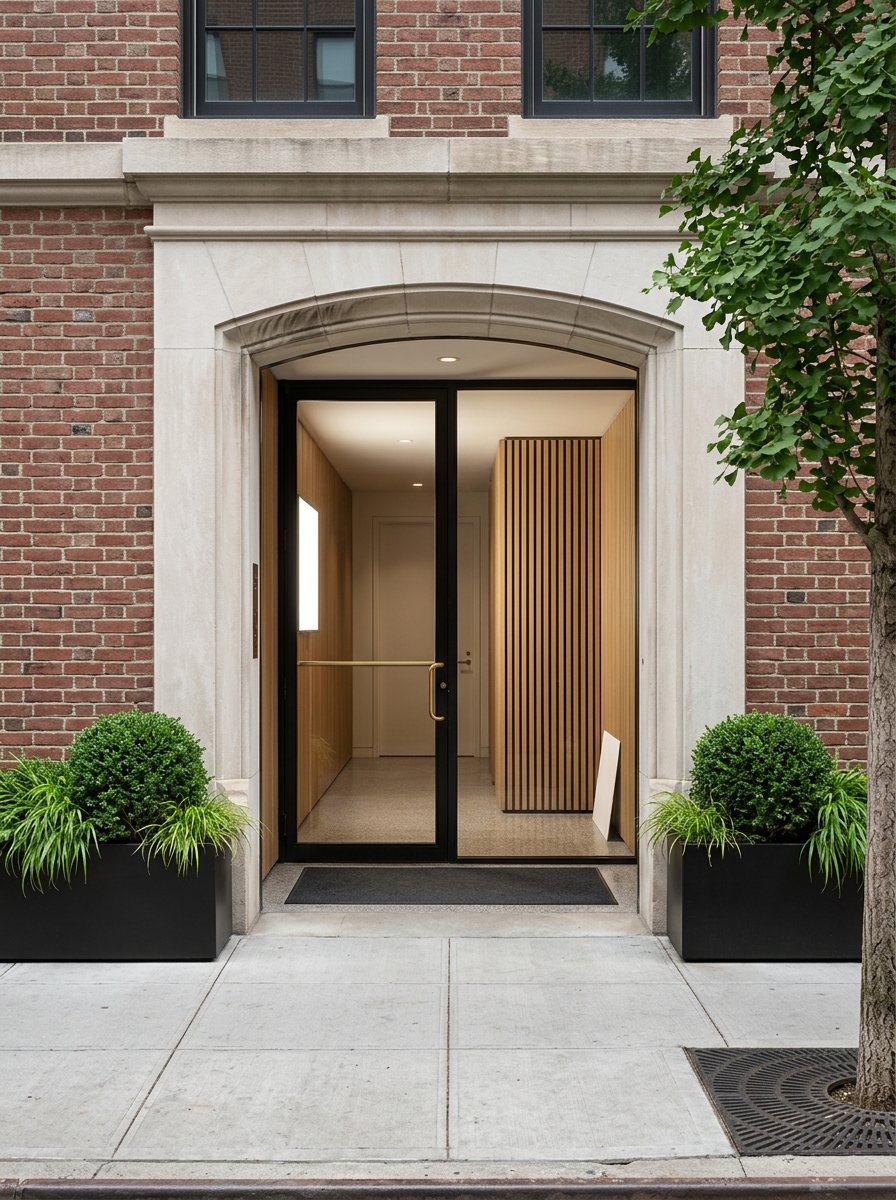
Torn between crown moldings and floor‑to‑ceiling glass? In Chicago’s Gold Coast, you can pick a timeless pre‑war home with character or a modern tower loaded with amenities. Both deliver an incredible location and lakefront lifestyle, but they live very differently. In this guide, you’ll get a clear, side‑by‑side view of ownership, financing, costs, layouts, amenities, and due diligence so you can choose with confidence. Let’s dive in.
Gold Coast at a glance
The Gold Coast sits on Chicago’s Near North Side along the lake, with landmarked pockets such as Astor Street and East Lake Shore Drive protected for their historic character. You can confirm whether a building sits inside a Chicago Landmark district through the city’s official listings and maps. For reference, see the City of Chicago’s Chicago Landmarks listings and maps.
It is a premium, mixed‑product market that blends historic mansions, pre‑war co‑ops, mid‑century high‑rises, and newer luxury condos. Market metrics vary by source and method. For example, Redfin reported a median sold price near 499,000 dollars in January 2026, while Zillow’s Home Value Index showed roughly 392,000 dollars that same month. Those differences reflect the data set used and whether numbers represent sold prices or modeled values.
What you actually own
Co‑op structure
In a housing cooperative, you buy shares in a corporation that owns the building, and your right to occupy the apartment is governed by a proprietary lease. The co‑op pays the property taxes and any building‑level debt, and you pay a monthly maintenance fee that typically covers your share of those taxes and sometimes heat or hot water. For a deeper overview of co‑ops versus condos, see Investopedia’s guide to co‑ops and condos.
Condo structure
In a condominium, you receive a deed to your unit and pay your own property tax bill directly. The association charges a monthly fee for building operations, amenities, and reserves. Condos are often simpler to finance with conventional loans and, when the building meets program standards, may qualify for FHA or VA financing. You can learn more about condominium ownership and financing basics from the National Association of Realtors.
Financing and approvals
Down payments and underwriting
Co‑ops often apply more conservative financial standards. Many require larger down payments, set minimum post‑closing liquidity, or limit the percentage you can finance. Lenders also underwrite co‑ops differently from condos, which can narrow your loan options. Condos generally offer more flexible financing paths, including lower down‑payment options if the project is approved for agency programs. For context on how these structures differ, review Investopedia’s overview of co‑ops versus condos.
Board review and timelines
Most co‑ops require a formal application package and an interview. Boards can approve or decline buyers for lawful reasons tied to finances and building policies, which can extend timelines. Condo purchases usually do not include the same interview step, so the path to closing can be more straightforward. Investopedia’s explainer covers how board approvals differ from condo transfers.
Monthly costs compared
Comparing a vintage co‑op to a newer condo can feel tricky because the line items are not labeled the same way. Use a normalized carrying‑cost method so you are judging apples to apples.
- Co‑op monthly: mortgage principal and interest + co‑op maintenance + any utilities not included.
- Condo monthly: mortgage principal and interest + HOA/common charges + estimated monthly property tax + any utilities not included.
Here is a simple way to run the math for your shortlist:
- Ask what the co‑op maintenance includes. If it covers your share of property taxes and some utilities, note those inclusions.
- For condos, request the HOA budget details, then add an estimated monthly property tax based on the current tax bill for that unit.
- Add your mortgage estimate to arrive at the true monthly total for each property.
Both co‑ops and condos can levy special assessments for capital projects. Always ask for the building’s financials, reserve study, and assessment history before you make an offer.
How the homes feel inside
Vintage charm: pre‑war character
Gold Coast vintage and pre‑war homes, often built between 1900 and 1940, lean into classic proportions and detail. You will see formal living and dining rooms, galleries, separate kitchens with butler’s pantries, high ceilings, plaster moldings, built‑ins, and in some buildings, semi‑private elevator landings. These homes can be larger by room count, with layouts that favor quiet, defined spaces. The tradeoff is that older buildings may need near‑term work on risers, boilers, windows, or facade masonry.
New luxury: contemporary convenience
Newer towers prioritize open plans, floor‑to‑ceiling glass, in‑unit laundry, modern HVAC, and contemporary kitchens with integrated appliances. Private balconies or terraces, efficient glazing, and mechanicals dedicated to each unit are common. Lifestyle tends to be convenience‑forward, with well‑packaged amenities and finishes ready from day one. Newer does not mean risk‑free, but you often start with more recent systems and sometimes developer warranties.
Amenities and lifestyle
Vintage buildings in the Gold Coast often operate as full‑service communities with door staff and on‑site management. Amenity spaces are typically modest, like a club room, small fitness room, or landscaped courtyard. The emphasis is on the residence itself and attentive building staff.
Newer luxury towers scale up the amenity slate: expansive fitness centers, roof decks or pools, lounges, private dining rooms, pet spas, co‑working areas, package rooms, and 24/7 concierge service. Those conveniences are a major draw and a key reason HOA fees can run higher in amenity‑rich towers.
Management, reserves, and assessments
A building’s financial health matters more than its age alone. A well‑managed pre‑war co‑op with strong reserves and recent capital work can be a lower near‑term risk than a newer association that is underfunded. Ask for audited financials, the reserve study, and minutes from recent board meetings. If riser replacements, facade work, or elevator modernizations are underway, those projects and any assessments should be visible in the resale packet.
Landmark districts and renovations
Much of the Gold Coast falls within Chicago Landmark districts, including the Astor Street District and East Lake Shore Drive District. Landmark designation shapes what you can do to a building’s exterior and, in some cases, to certain protected features of the interior. You may need permits and Commission review, which can add time and cost to a renovation. This oversight helps preserve neighborhood character and long‑term scarcity. To check a property’s status, consult the City of Chicago’s Chicago Landmarks listings and maps.
Which option fits you
Choose a vintage co‑op if you want:
- Architectural detail, formal rooms, and classic scale.
- A quieter, typically owner‑occupied environment with white‑glove staff.
- Monthly maintenance that may bundle taxes and some utilities.
Choose a newer luxury condo if you want:
- Open layouts, floor‑to‑ceiling glass, and turn‑key systems.
- A large amenity package and on‑site conveniences.
- More flexible financing paths, potentially including FHA or VA if the building qualifies.
Buyer due‑diligence checklist
Before you write an offer, request and review the following. These items reveal true carrying costs, near‑term risks, and any rules that affect your lifestyle or resale.
- Audited financial statements, current operating budget, and the most recent reserve study. Is the reserve funding on track with recommendations?
- Board meeting minutes from the last 12 to 24 months to identify upcoming projects or disputes.
- A list of active or recently paid special assessments, including amounts and timelines.
- For co‑ops: proprietary lease, house rules, sublet policy, financial ratios, down‑payment minimums, and the board‑approval process. For a structural overview, see Investopedia’s guide to co‑ops and condos.
- For condos: declaration, bylaws, rental cap policy, any developer or turnover controls, and whether the building is FHA or VA approved. The National Association of Realtors offers guidance on condominium ownership and financing.
- Insurance details: the building’s master policy limits and deductibles, plus whether you need an HO‑6 policy for improvements and loss assessment.
- Occupancy and arrears: owner‑occupancy percentage, investor concentration, and any assessment or HOA delinquencies.
- Recent engineering, facade, elevator, and roof reports, plus any five‑year capital plan.
- Landmark status: confirmation of Chicago Landmark designation and permit requirements for exterior work. Reference the City of Chicago’s Chicago Landmarks listings and maps.
Final thoughts
There is no wrong answer in the Gold Coast, only the right fit for how you live and what you value. Vintage co‑ops deliver proportion, craftsmanship, and white‑glove service. New luxury towers offer light, views, and amenities that make daily life easier. If you want help comparing true monthly costs, board rules, reserves, and resale factors across specific buildings, let’s talk it through over a coffee.
Ready to tour both options and run the numbers side by side? Connect with K + D Homes for clear guidance and concierge‑level support from search to close.
FAQs
What is the main difference between a Gold Coast co‑op and a condo?
- In a co‑op you buy shares and a proprietary lease, and maintenance often includes taxes. In a condo you get a deed to the unit, pay your own taxes, and an HOA covers shared costs.
Can I use FHA or VA financing for Gold Coast properties?
- FHA and VA can work for condos if the building is approved; most co‑ops do not qualify. Confirm building eligibility early and speak with a lender familiar with Chicago projects.
How do I compare co‑op maintenance to condo HOA and taxes?
- Add mortgage principal and interest to the building cost in both cases. For co‑ops, that means maintenance plus any non‑included utilities. For condos, add HOA, an estimated monthly tax, and utilities.
What is a special assessment and how common is it in the Gold Coast?
- A special assessment is a one‑time charge to fund capital projects like facade work or riser replacements. Both vintage and newer buildings use them, so review financials and project plans before you buy.
How do Chicago Landmark districts affect renovations in the Gold Coast?
- Landmark districts require permits and Commission review for exterior work and some protected features, which can add time and cost. Check the City of Chicago’s Chicago Landmarks listings for status and rules.