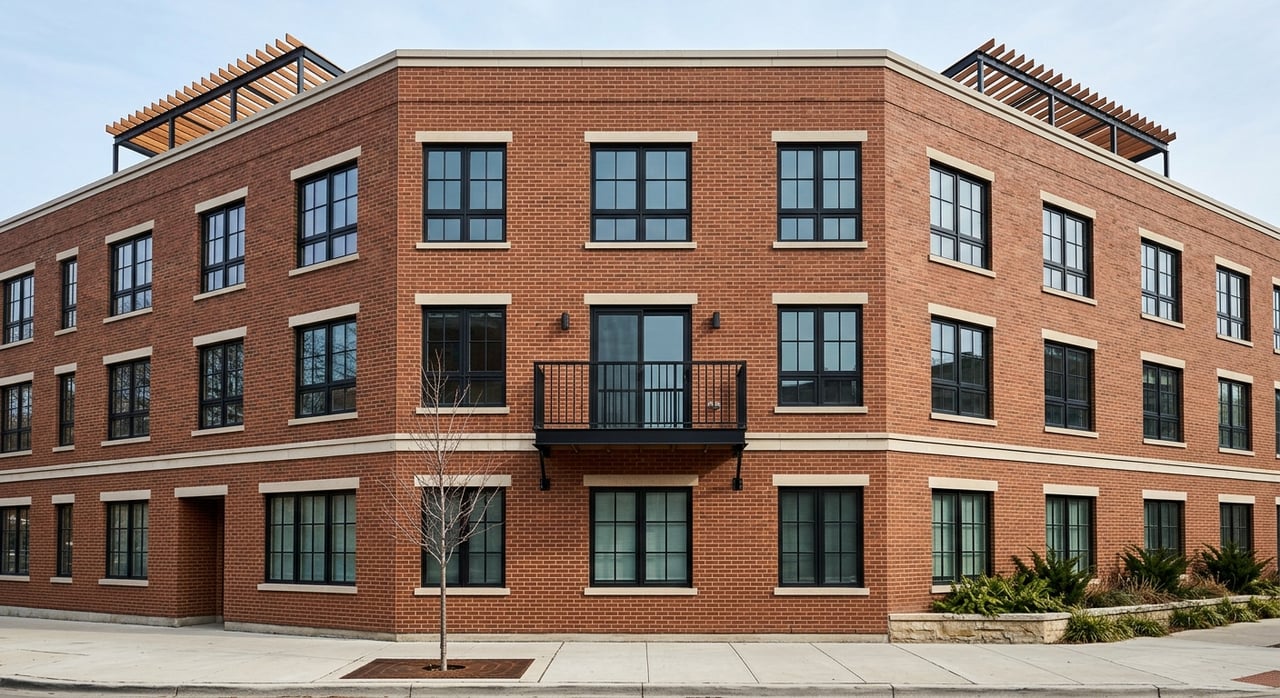
Wondering how two homes with similar price points can feel completely different once you step outside the front door? In West Town, that usually comes down to the micro-neighborhood. If you are trying to buy here, you are not just choosing a home. You are choosing a block pattern, a building style, a park network, and a daily rhythm. This guide will help you compare West Town’s key pockets so you can narrow your search with more confidence. Let’s dive in.
Why West Town Feels So Varied
West Town works best as a group of micro-neighborhoods, not as one uniform area. Local sources describe it as an official community area made up of places many Chicagoans experience as distinct neighborhoods, including Wicker Park, Ukrainian Village, and Noble Square.
That matters when you are buying. A listing may say West Town, but the feel on the ground can shift quite a bit from one pocket to the next. In many cases, the biggest differences come from architecture, street activity, park access, and how close you are to major corridors like Chicago Avenue, Milwaukee Avenue, Damen Avenue, Division Street, Grand Avenue, Ashland Avenue, and Western Avenue.
Transit is another reason buyers keep West Town on their shortlist. The area has access to the CTA Blue, Green, and Pink lines, and the Division, Chicago, and Grand Blue Line stops are especially relevant within West Town. The 606 also adds a strong walking and biking connection on the north side of the area.
Start With the Big Buyer Question
Before you compare addresses, ask yourself a simpler question: what kind of daily setting feels right to you? In West Town, your answer often falls into one of five themes.
- You want preserved architecture and a strong historic streetscape
- You want a lively pocket with major retail and dining nearby
- You want a quieter residential setting
- You want a mix of older buildings and newer infill
- You want your search anchored by park access
Those themes map closely to West Town’s most recognizable micro-neighborhoods. Once you know which one fits your pace and priorities, your home search usually becomes much more efficient.
Wicker Park: Historic and High Energy
Wicker Park is often the most visually recognizable pocket in this group. The neighborhood is bounded by Bloomingdale and the 606 to the north, Division to the south, Western to the west, and Ashland to the east, according to the Wicker Park Committee.
It also carries one of the strongest landmark identities in West Town. The City of Chicago designated the Wicker Park District as a Chicago Landmark in 1991, and the district narrative points to late 19th- and early 20th-century housing, including Victorian-era architecture, workers’ cottages, and larger residences.
For buyers, that translates into a neighborhood with a very legible built character. You can often feel the historic pattern block by block, especially on streets like Pierce and Hoyne, where the architecture does a lot of the storytelling.
Wicker Park also brings one of the area’s most active commercial and lifestyle environments. Local neighborhood guides describe it as lively and walkable, with vintage retail, music venues, and easy access to the 606.
The park itself may be compact at 4.74 acres, but it adds a lot to the neighborhood’s daily use. It includes a fieldhouse, fountain, gardens, playground, dog area, and courts, which gives this pocket a meaningful outdoor amenity base in addition to its retail draw.
Best fit for Wicker Park buyers
Wicker Park may be the right fit if you want:
- A strong historic streetscape
- Easy access to destination retail and dining corridors
- A walkable setting with a more active pace
- Proximity to the 606 and Blue Line access
Ukrainian Village: Preserved and Residential
If your eye goes straight to classic Chicago housing stock and quieter residential blocks, Ukrainian Village often stands out. The city’s Ukrainian Village District is roughly bounded by Haddon, Damen, Rice, and Western.
The district is known for a notably complete mix of workers’ cottages, two- and three-flats, single-family homes, and larger apartment buildings. That range gives the area a strong architectural consistency while still offering different housing formats for different budgets and lifestyle needs.
This pocket is also anchored by well-known cultural and religious landmarks. Local guides point to Holy Trinity Russian Orthodox Cathedral and St. Nicholas Ukrainian Catholic Cathedral, along with the Chicago Avenue food corridor.
From a buyer’s perspective, Ukrainian Village often reads as a more residential counterpoint to Wicker Park. The visual character is still rich, but the energy tends to come more from the architecture and established streetscape than from constant retail activity.
Best fit for Ukrainian Village buyers
Ukrainian Village may be the right fit if you want:
- Historic residential blocks with strong visual continuity
- A quieter feel than nearby busier pockets
- Classic Chicago housing types like cottages and flats
- Access to Chicago Avenue without living in the center of the busiest retail scene
East Village: Mixed Old and New
East Village has a different feel, partly because it is less formally bounded than some of its neighbors. The East Village Association defines it as Division to the north, Chicago to the south, Milwaukee to the east, and Damen to the west.
Local neighborhood descriptions frame East Village as a mix of historic buildings and modern developments, along with restaurants, shops, and a lively arts scene. For buyers, that mix is a big part of the appeal.
Compared with the landmark-heavy pockets, East Village can feel more layered in terms of housing stock. Older residential buildings and newer infill sit closer together, which means you may see more variation from one block to the next.
That can be especially useful if you are open to different property types. If your search includes both vintage homes and newer condos, East Village is often a pocket worth watching closely.
Best fit for East Village buyers
East Village may be the right fit if you want:
- A blend of historic buildings and newer development
- A neighborhood-scale setting with some architectural variety
- Access to shops, restaurants, and arts-oriented destinations
- Flexibility across different housing styles
Noble Square: Quieter Middle Ground
Noble Square is often described as quieter and more residential than nearby areas. Sources also note that while Chicago Avenue has grown as a dining, shopping, and nightlife strip, many interior streets remain largely residential.
That balance is what makes Noble Square attractive for many buyers. You are close to active corridors, but your immediate block may feel calmer and more low-key.
The neighborhood also has recognizable local anchors. The Polish Museum of America is a notable cultural institution here, and Eckhart Park adds an important recreation presence on Chicago Avenue.
If Wicker Park feels too busy and another pocket feels too tucked away, Noble Square may offer a useful in-between. For many buyers, it reads as a practical bridge between busier retail edges and quieter interior blocks.
Best fit for Noble Square buyers
Noble Square may be the right fit if you want:
- A more residential feel near active corridors
- A quieter day-to-day rhythm
- Access to Chicago Avenue amenities without a constant high-traffic feel
- A balanced West Town location between multiple neighboring pockets
Smith Park: Park-Centered Living
Smith Park is the clearest park-led pocket in this guide. The Chicago Park District identifies Smith Park at 2526 W. Grand Ave., and the park totals 10.20 acres.
That size matters because it changes how the neighborhood organizes itself. The park includes a fieldhouse, gymnasium, meeting rooms, playground, water spray feature, pool, baseball fields, and a football and soccer field. Park district information also notes tennis and pickleball courts.
For buyers, Smith Park often feels a bit more tucked away than the better-known destination corridors. Local neighborhood descriptions also point to historic housing and long-standing buildings, which supports the sense of a smaller pocket built around open space rather than a major commercial strip.
If your ideal West Town search starts with outdoor space and recreation access, Smith Park deserves a close look. It offers a different daily rhythm from the retail-focused pockets nearby.
Best fit for Smith Park buyers
Smith Park may be the right fit if you want:
- A neighborhood organized around a major park amenity
- Easy access to recreation and open space
- Historic housing in a smaller-feel pocket
- A quieter setting away from the busiest retail corridors
What Housing Stock Looks Like Across West Town
Even with all this variation, West Town does share a common housing language. Across the area, you will keep seeing workers’ cottages, two- and three-flats, single-family homes, and larger apartment buildings.
That consistency matters because neighborhood identity here is often tied to the buildings themselves. Even before you learn every boundary, you can often tell a lot about a block by the housing forms and the rhythm of the streetscape.
In the less formally protected pockets, newer condos and infill are generally more common alongside older buildings. If you are deciding between vintage character and newer construction, that old-versus-new balance can be just as important as the neighborhood name on the listing.
How to Tour West Town Like a Buyer
When you visit West Town, try to compare micro-neighborhoods in person instead of touring only by price bracket. Two homes with similar finishes may offer very different day-to-day experiences depending on the surrounding blocks.
A smart tour day might include a walk along Chicago Avenue, a pass through Wicker Park, time on quieter residential blocks in Ukrainian Village or Noble Square, and a stop at Smith Park or the 606. That gives you a faster read on street character, park access, and how each pocket connects to nearby corridors.
As you tour, pay attention to a few simple things:
- How much of the block feels historic versus newly built
- Whether your favorite streets are park-centered or corridor-centered
- How close you want to be to Blue Line access
- Whether you prefer a busier commercial edge or a quieter interior block
- Which housing type keeps showing up in the homes you like most
A Simple West Town Buyer Shortcut
If you want a quick shorthand, here it is. Wicker Park and Ukrainian Village are often the strongest fits for buyers who care most about preserved architecture and a clearly defined historic streetscape. East Village tends to feel more mixed, with old and new side by side.
Noble Square is often the quieter residential middle ground. Smith Park is the clearest park-first option.
That does not replace a block-by-block tour, but it does give you a strong starting framework. In West Town, the right choice is often less about choosing the broad community area and more about choosing the pocket that matches your rhythm.
If you are weighing West Town against Bucktown, West Loop, or another nearby search area, this kind of micro-neighborhood analysis can save you time and help you focus on the places that truly fit how you want to live.
If you want help comparing West Town block by block, the team at KD Homes brings a boutique, neighborhood-first approach to Chicago home searches, with thoughtful guidance for buyers looking at historic homes, luxury condos, and newer construction.
FAQs
What is the difference between West Town and Wicker Park?
- West Town is the larger Chicago community area, while Wicker Park is one of the distinct micro-neighborhoods within it.
Which West Town micro-neighborhood feels most historic?
- Wicker Park and Ukrainian Village are generally the strongest fits for buyers focused on preserved architecture and historic streetscapes.
Which West Town area feels quieter for buyers?
- Noble Square is commonly described as quieter and more residential, especially on interior streets away from busier corridors.
Which West Town pocket is best for park access?
- Smith Park is the most park-centered pocket in this guide, with a 10.20-acre park and a wide range of recreation amenities.
Does West Town have good transit access for buyers?
- Yes. West Town has access to the CTA Blue, Green, and Pink lines, with the Division, Chicago, and Grand Blue Line stops especially relevant in the area.
What kinds of homes are common in West Town?
- Buyers will often see workers’ cottages, two- and three-flats, single-family houses, larger apartment buildings, and, in some pockets, newer condos and infill development.